
Marwa Rashad and Nora Buli | Reuters | Wednesday, August 26, 2026 | 12:00 PM UTC
Strait of Hormuz closure cuts Qatari LNG exports
Qatar derives large revenues from exports of liquefied natural gas (LNG) by state-owned QatarEnergy. Export volumes have plummeted since the start of the war between the U.S. and Iran at the end of February.

LNG cargoes delivered from Qatar
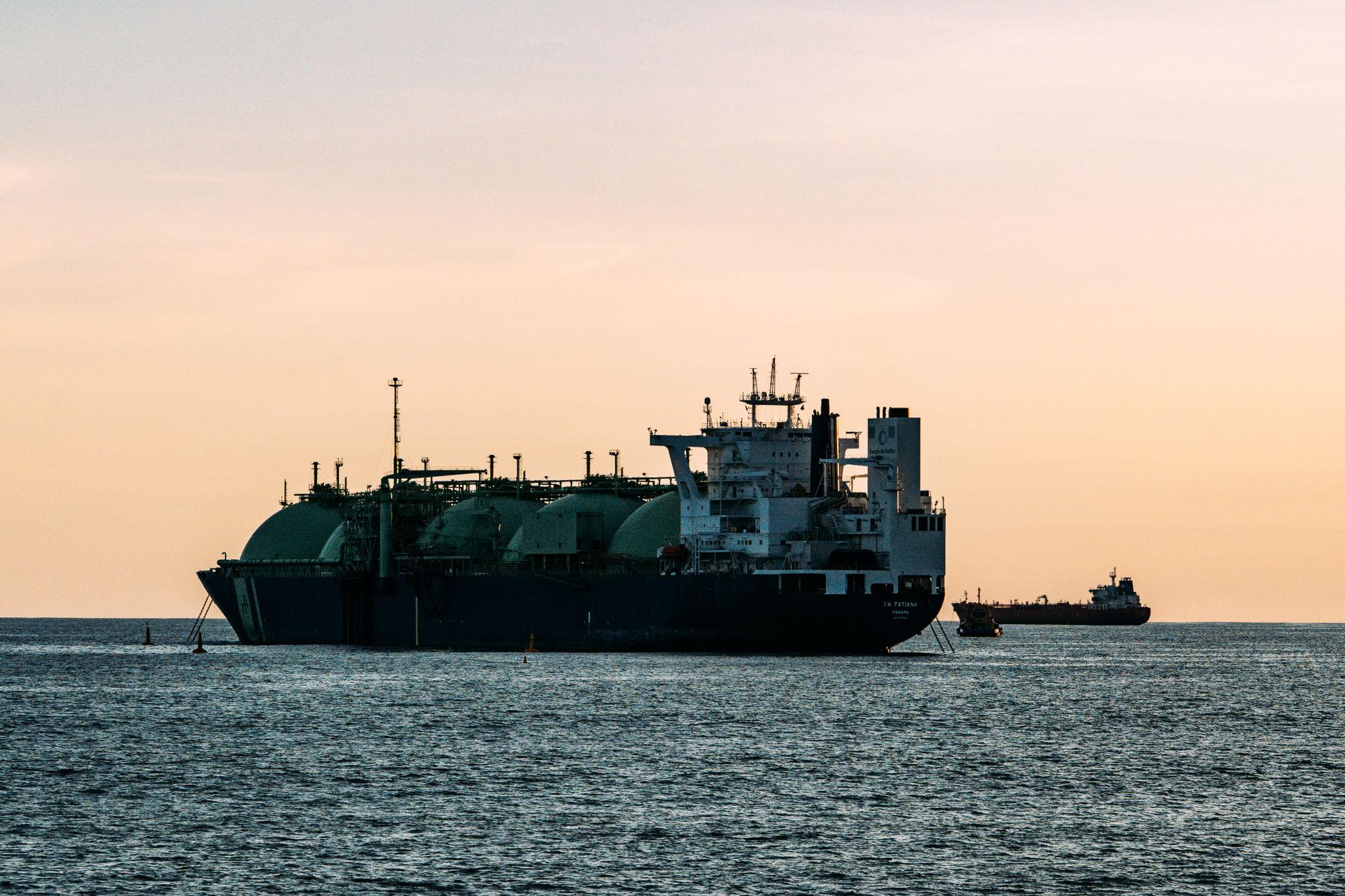
The number of Qatari liquefied natural gas (LNG) tankers leaving the Gulf have fallen sharply since the start of the war between the U.S. and Iran has brought traffic via the Strait of Hormuz to a near standstill.

While neighbouring Gulf exporters have managed to sneak oil secretly out of the Strait of Hormuz, Qatar has exported just 18 LNG cargoes, down from 509 in the same period last year, according to data intelligence firm ICIS. Two Qatari tankers have been attacked.
State-owned LNG producer QatarEnergy did not respond to a Reuters request for immediate comment.
Before the war Qatar supplied about one-fifth of the world’s daily LNG. Exports from the U.S. have offset some of that lost supply.
U.S. LNG deals signed since the start of Iran war
U.S. liquefied natural gas (LNG) exporters have signed ten deals totalling 7.27 million tonnes per year since the start of the war in Iran, which has hampered global LNG supply. Five out of the six deals signed by Venture Global start deliveries in 2026.

U.S. LNG exports in million tonnes
The U.S. has exported more liquefied natural gas (LNG) to Asia, which traditionally imports most of the LNG produced in Qatar and that is now trapped by the closure of the Strait of Hormuz. Total U.S. LNG exports are also up year on year as new export terminals have started operations.

Still, European gas storage has fallen to a historic low for the time of year, exposing the continent to possible gas price spikes in the event of a cold winter this year.
EU gas storage
Gas storage sites remain at their lowest level for the time of year seen since at least 2011 amid a sluggish summer refilling season hampered by higher prices and tight global LNG supply.

This article was originally published by Reuters, to view the original article click here.
