
Editorial Staff | XcruitEnergy | Wednesday, September 09, 2026 | 02:04 PM UTC
Qatar’s budget deficit more than doubled to 21.2bn riyals (€5bn) in the second quarter of 2026, the Ministry of Finance announced on Tuesday.

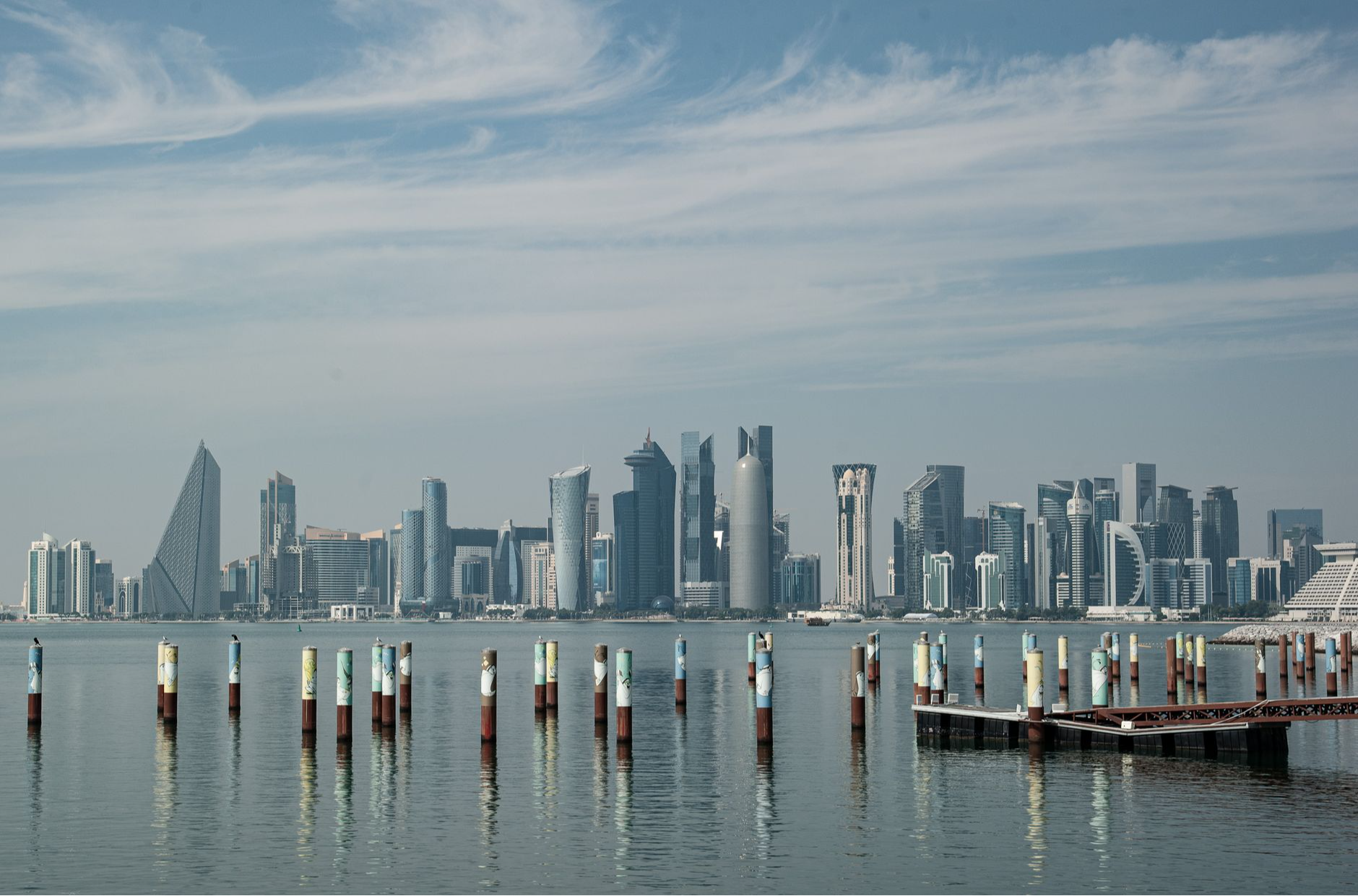
Picture Source : Pexels; [Accessed Sep 9, 2026]
Reported by Euronews, the deficit stood at 10.3bn riyals (€2.44bn) in the first quarter - with total revenue reached about 25.6bn riyals (€6.06bn), while expenditure amounted to approximately 46.9bn riyals (€11.1bn). While the official budget deficit reported by the Qatari Ministry of Finance is 21.2bn riyals (€5.02bn) (USD5.81bn).

Ministry of Finance Qatar reporting Q2 2026 budget deficit at 21.2bn riyals.
Image source: MoFQatar Official X account, Accessed Sep 11, 2026 (— @MoF_Qatar @MoF_Qatar
)
On 25 August, Qatari foreign ministry spokesman Majed al-Ansari disputed reports about government spending cuts, saying figures had been taken out of context and "that the figures mentioned in the Financial Times report on the reduction of budgets of a number of government agencies and the reduction of funding for Qatari foreign aid were inaccurate, stressing that much of it was taken out of context."
Dr. Al Ansari also said reported reductions of up to 30% applied only to operating expenses and excluded salaries and capital projects. He described the measures as temporary precautions introduced at the start of the regional crisis.
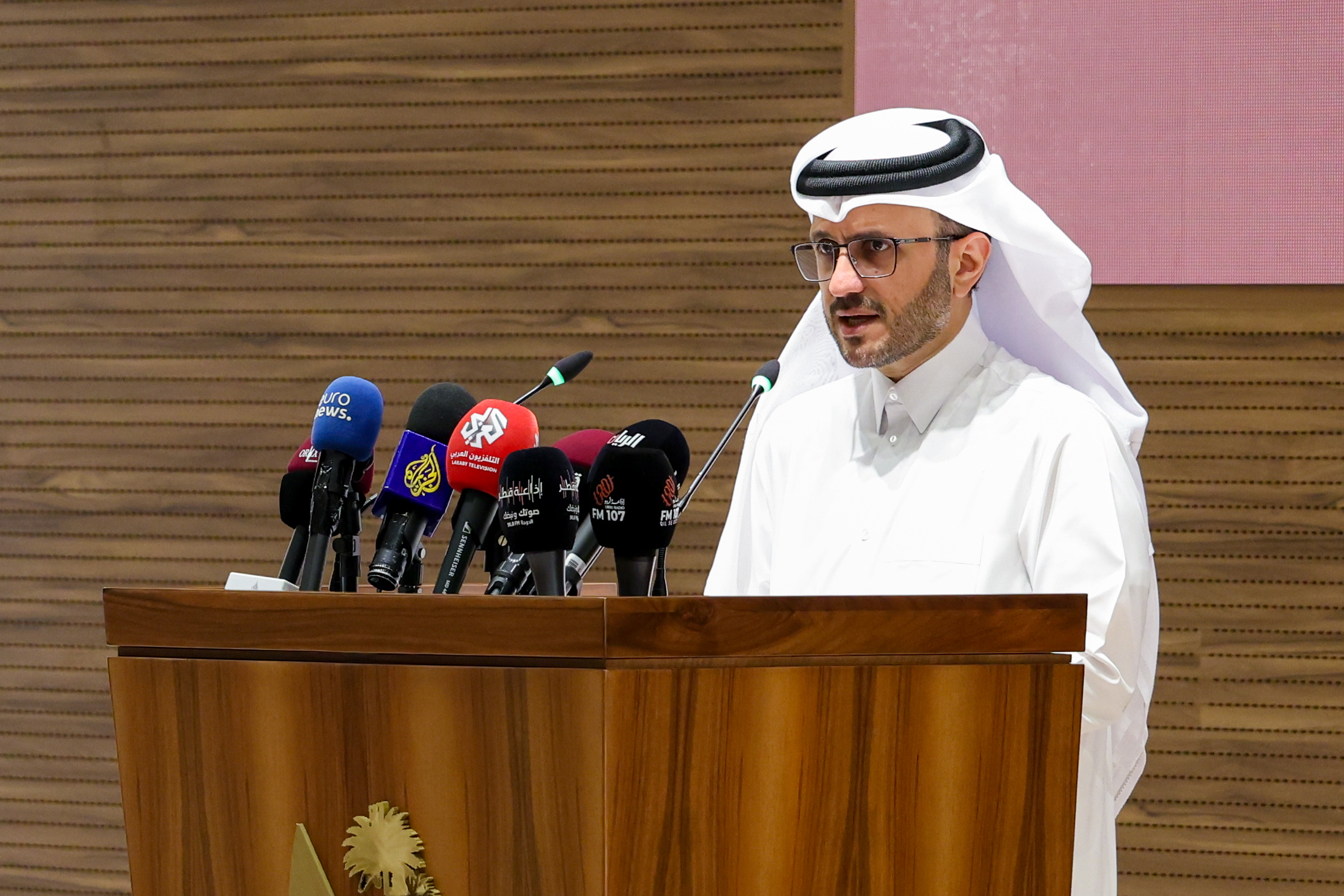
Image source: MOFA Qatar August 25, 2026; [Accessed Sep 11, 2026]
The two quarterly shortfalls bring the first-half deficit to 31.5bn riyals (€7.45bn), exceeding the 21.8bn riyal (€5.16bn) gap originally projected for the whole of 2026.
LNG deliveries disrupted
Disruption to Qatar’s liquefied natural gas deliveries has also affected European buyers.
According to Euronews, on 28 August, Italian utility company Edison said QatarEnergy had extended force majeure on deliveries into early November, bringing the number of affected LNG cargoes under their supply contract to 29. Edison said it could obtain alternative gas supplies and continue meeting its commitments to customers.
Ship-tracking data reported on 7 September showed six empty Qatar-linked LNG carriers in the Gulf of Oman or heading towards it. The report also cited Kpler data showing another empty vessel had crossed the Strait of Hormuz towards Qatar.
The same report said 15 loaded LNG carriers remained inside the Gulf, while two empty vessels had turned back after approaching the strait. These movements alone did not establish that regular exports had resumed.
