
Editorial Staff | XcruitEnergy | Monday, August 03, 2026 | 12:00 PM UTC
Oil markets did something they'd barely done all year — they fell, hard. Brent crude sank as much as $4.49 a barrel, or roughly 5%, to $83.44 on Monday, while U.S. benchmark WTI dropped to $79.77, down $4.90. The trigger: President Donald Trump held back a fresh round of strikes on Iran, choosing instead to chase a fast-track nuclear deal that could also reopen the Strait of Hormuz to normal traffic.
The pullback only unwinds part of a much bigger move. Both benchmarks had jumped more than 20% last month as fighting between the U.S. and Iran flared again and a string of attacks on tankers near Oman scared shippers away from the Gulf altogether.

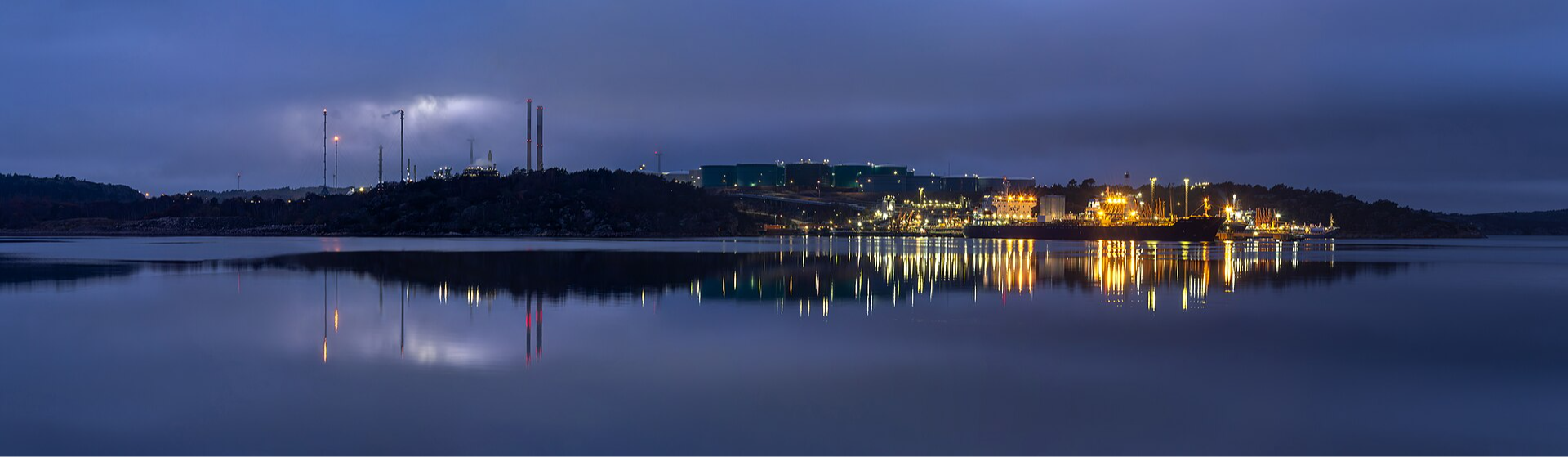
Energy Transport Train lines - Photo by Creative Commons Attribution-Share Alike 4.0 International license.
What Trump Actually Said
Trump signalled on Truth Social, saying Iran and other Middle Eastern countries had asked for more time to finish a deal aimed at the “Immediate, Complete and Total” reopening of the strait and an end to Iran's nuclear threat.
He followed that with a more concrete order: instructing the Department of War to postpone any strikes on Iranian power plants and energy infrastructure for a five-day period, contingent on how the negotiations go this week. Trump added that the decision was “subject to being able to rapidly make a DEAL”, and said Israel had joined the commitment to the emerging terms.
How Close Did a Bigger Strike Come?
The reversal landed a day after Bloomberg reported Trump had told Tehran and other regional powers he was prepared to escalate again unless a deal materialized quickly. Trump himself told reporters aboard Air Force One that the plan on the table would have been “the biggest attack since WORLD WAR II” — language that underscores how close the two sides came to a fresh round of strikes before Saturday's about-face.
Iran's response so far has been cautious rather than celebratory. The country's acting defense minister said Tehran would treat any threat from Washington as genuine, framing recent U.S. statements as part of a broader psychological pressure campaign rather than a real shift.
This Isn't Trump's First De-escalation Announcement
Monday's pause fits a recurring pattern in the five-month war: Trump has repeatedly announced he was halting planned attacks on Iran, only for fighting to resume within days or hours. Similar postponements were announced in late March, each tied to claims of “productive” talks that Tehran, in at least one instance, denied were happening at all.
The War That Shut the World's Busiest Oil Corridor
Monday's de-escalation attempt caps five months of the worst Gulf conflict in decades. The war began on February 28, when U.S. and Israeli strikes killed Iran's supreme leader, Ayatollah Ali Khamenei, triggering Iranian retaliation and pushing Tehran to effectively shut the strait to shipping ever since.
The strait is not a minor detour. The International Energy Agency puts roughly 25% of the world's seaborne oil trade through the passage, most of it bound for Asia — which is why even a partial reopening moves the price of crude everywhere.
Tankers Keep Burning Even as Diplomats Talk
The shooting hasn't fully stopped just because the talking has resumed. The UK Maritime Trade Operations reported three more tanker attacks since Saturday, and shipping data showed Monday that traffic through Hormuz had slowed again following the latest incidents.
Not all the news was bad for cargo owners: two tankers laden with Saudi oil managed to cross the Bab el-Mandeb Strait out of the Red Sea over the weekend, a small but real sign that some crude is still moving.
OPEC+ Doesn't Wait for a Deal
Regardless of how the Iran talks land, OPEC+ isn't pausing. The producer group approved a further quota increase of about 188,000 barrels per day starting in September, completing the unwind of one layer of voluntary output cuts.
That increase matters more on paper than in the physical market. Export disruptions out of Russia and Kazakhstan tied to the Iran and Ukraine wars have kept most of this year's OPEC+ hikes from actually reaching buyers.
Why Traders Aren't Popping Champagne Yet
Not everyone is convinced the de-escalation holds. IG market analyst Tony Sycamore flagged the risk of a “rinse and repeat” week if Iran digs in and keeps leveraging its grip on the strait — possibly through an attack on a U.S. base or a transiting tanker.
Frequently Asked Questions
1. Why did oil prices drop on Monday?
Oil fell because President Trump chose negotiation over renewed strikes on Iran, easing fears that a wider war would keep the Strait of Hormuz shut. Source
2. How far did Brent and WTI fall?
Brent slid to $83.44 a barrel and WTI to $79.77, moves of roughly 5% each in a single session.
3. What exactly did Trump say?
He wrote on Truth Social that Iran and other regional states had asked for time to finalize a deal targeting the “Immediate, Complete and Total” reopening of the Strait of Hormuz.
4. Was Trump preparing a bigger attack before this reversal?
Yes. Bloomberg reported Trump had signaled readiness to escalate unless a deal came together quickly, and he told reporters the plan would have been “the biggest attack since WORLD WAR II”.
5. Did Trump actually cancel military action?
He said he had told the Department of War to postpone strikes on Iranian power plants and energy infrastructure for five days, contingent on how talks progress.
6. Why was the Strait of Hormuz closed in the first place?
Tehran moved to block the strait after the war broke out on February 28, when U.S. and Israeli strikes killed Iran's supreme leader.
7. Is the Strait of Hormuz fully open now?
No. Shipping data showed Hormuz traffic still slowed on Monday after fresh attacks, even as two tankers managed to cross the Bab el-Mandeb Strait.
8. Are tankers still being attacked?
Yes. The UK Maritime Trade Operations logged three more tanker attacks since Saturday, even as the diplomatic track moved forward.
9. What did OPEC+ just decide?
OPEC+ approved a roughly 188,000 barrel-per-day quota increase from September, finishing the unwind of a voluntary cut layer.
10. Has Trump announced de-escalation before, only for fighting to resume?
Yes, multiple times. Similar pause announcements in late March were followed by renewed strikes within days, and Tehran denied at least one round of “productive talks” Trump cited.
11. What could derail the de-escalation?
Analyst Tony Sycamore flagged the risk of a “rinse and repeat” week if Iran digs in and leverages its hold on the strait, possibly by hitting a U.S. base or a tanker.
12. Why does the Strait of Hormuz matter globally, not just for the Gulf?
The International Energy Agency estimates roughly 25% of the world's seaborne oil trade passes through it, so its status shapes fuel costs and shipping insurance well beyond the region.
Sources
- BOE Report — “Oil tumbles as Trump cancels attack on Iran to reach nuclear deal” (Reuters wire)
- The Star — “Oil tumbles as Trump cancels attack on Iran to reach nuclear deal” (Reuters wire)
- Asharq Al-Awsat — “Oil Tumbles as Trump Cancels Attack on Iran to Reach Nuclear Deal” (Reuters wire)
- KFGO — “Oil tumbles as Trump cancels attack on Iran to reach nuclear deal” (Reuters wire)
- Gulf News — “Oil plunges after Trump signals Iran talks, delays strikes on energy sites”
- NPR — “U.S. launches new strikes against Iran after three ships were hit in Strait of Hormuz”
- International Energy Agency — “Strait of Hormuz” (official chokepoint data)
- CNBC — “CNBC Daily Open: Markets exhale as Trump steps back, OPEC+ steps up”
- CNBC — “Oil prices: WTI, Brent: Trump says he called off planned strike on Iran”
- Bloomberg — “Trump Holds Off Iran Strikes on Pledge Hormuz Deal Is Close”
- PBS News — “Trump frequently announces he's halting strikes in Iran. But they keep happening”
