
Fiona MacDonald & Alex Dooler | Bloomberg | Friday, September 11, 2026 | 04:26 AM UTC
A six-member bloc of Gulf states are considering meeting with Iranian officials next week to discuss the future of the Strait of Hormuz, people familiar with the matter said, in what would be the first gathering with the Islamic Republic since war erupted more than six months ago.

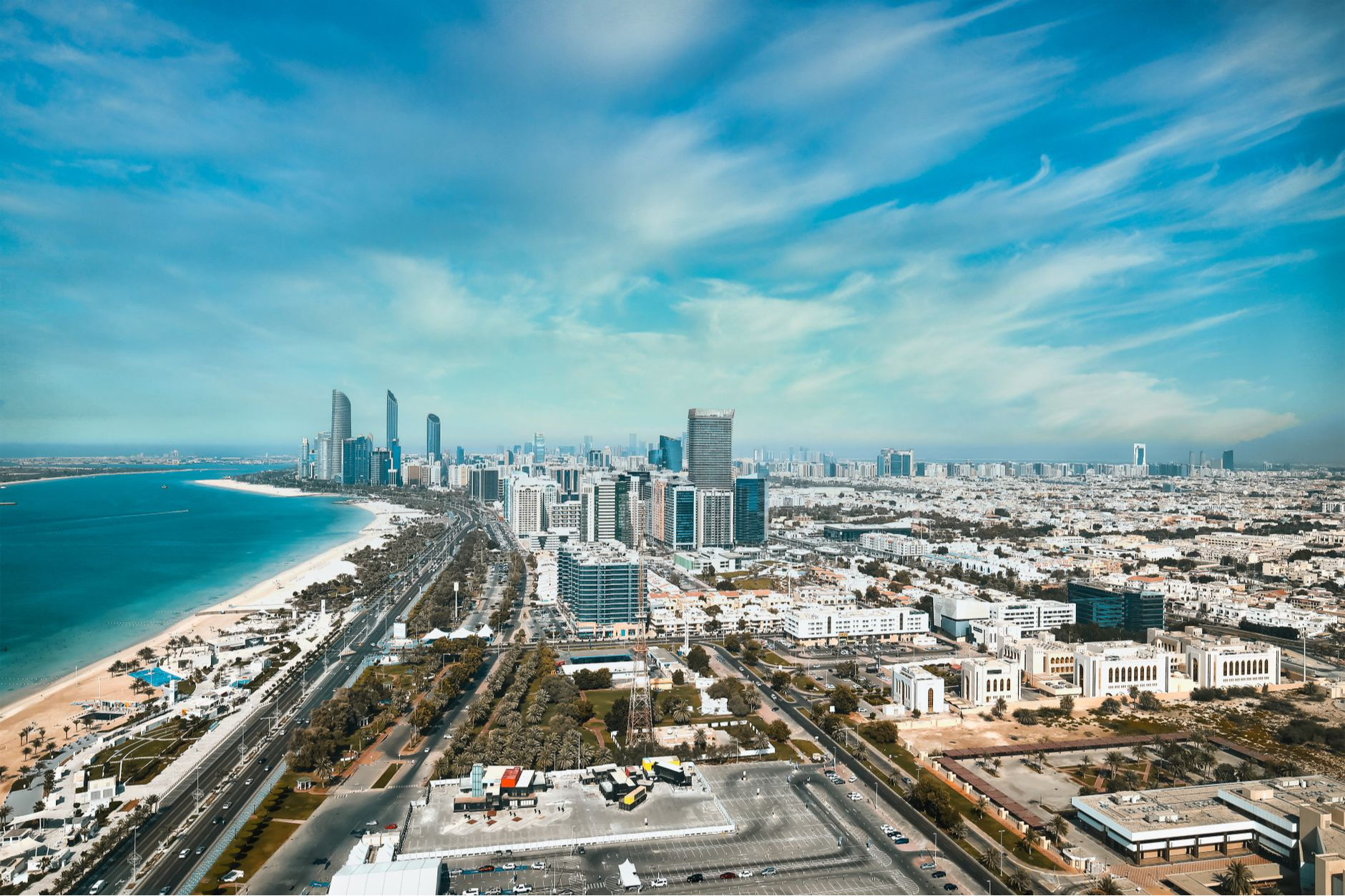
Image source: Hamzeshs12 via iStock
A six-member bloc of Gulf states are considering meeting with Iranian officials next week to discuss the future of the Strait of Hormuz, people familiar with the matter said, in what would be the first gathering with the Islamic Republic since war erupted more than six months ago.
Oman is aiming to get foreign ministers from the Gulf Cooperation Council and Iran together on Monday in Salalah, a southern Omani city, according to a person familiar with the matter, who asked not to be identified discussing sensitive matters.
The meeting is not confirmed and worsening hostilities between Saudi-backed forces and the Houthis, a group based in Yemen and supported by Iran, may complicate the plans, another person said. Even if it happens, it's unclear if all states in the bloc, including Saudi Arabia, the United Arab Emirates, Qatar as well as Oman, will attend, the people said.
Oman's foreign ministry didn't immediately respond to a request for comment. The Financial Times first reported the meeting.
The war between Iran and the US has reached a stalemate of sorts and both sides are preparing for it to continue for months, if not longer, Bloomberg has reported.
The Strait of Hormuz, vital for global supplies of oil, natural gas and other commodities, was effectively closed after the US and Israel began bombing Iran in late February. Washington is trying to force Tehran to allow ships free passage again, using a naval blockade to put pressure on the Islamic Republic.
While that military operation is hurting Iran's economy, with the rial weakening rapidly and inflation accelerating to almost 90 percent, the country's leadership is signaling it won't relent on the strait or go back to negotiations until President Donald Trump lifts the blockade. It's made clear it will keep retaliating against US strikes on its ships and territory.
Oman and Iran - the two countries either side of the strait - have for weeks been negotiating a deal to manage maritime traffic. Iran says an agreement is close and that it would give Tehran the right to determine which ships can sail into the Persian Gulf and possibly charge them fees.
The US is likely to reject that. Most GCC members have also insisted on free passage through the waterway, though it's unclear if they might accept a temporary agreement that would lead to traffic picking up.
More ships have been sailing through Hormuz in the past two months. But they are mostly traversing covertly at night, with US military protection and their transponders turned off. They're coming under regular fire from Iranian missiles and drones.
Saudi Arabia and the UAE have managed to use pipelines to bypass the chokepoint for a large chunk of their crude exports. But the effective closure is still hurting their economies and deterring some investors and tourists from the region.
This week, Qatar announced a fiscal deficit in the second quarter that was its biggest in almost a decade. Saudi Arabia's economy contracted in the same period.
